The Rising Importance of Commercial Water Reviews
Why Water Costs Deserve Closer Commercial Attention
As commercial pressures evolve and organisations search for ways to strengthen cost control, water management has become an increasingly important focus. Although often seen as a low-maintenance utility, water carries a range of financial and operational complexities that can be easily overlooked. Reviewing how water is billed, consumed and managed provides businesses with the clarity needed to make confident decisions and ensure their arrangements remain commercially appropriate in a changing environment.
For organisations managing multiple sites or higher consumption levels, water charges can drift over time without a clear explanation. Billing inaccuracies, outdated tariff structures and inefficient processes often persist unnoticed when invoices are simply paid without investigation. Taking a fresh look at water arrangements helps ensure businesses remain in control of their costs and prevents long-standing issues from undermining financial planning or operational performance.
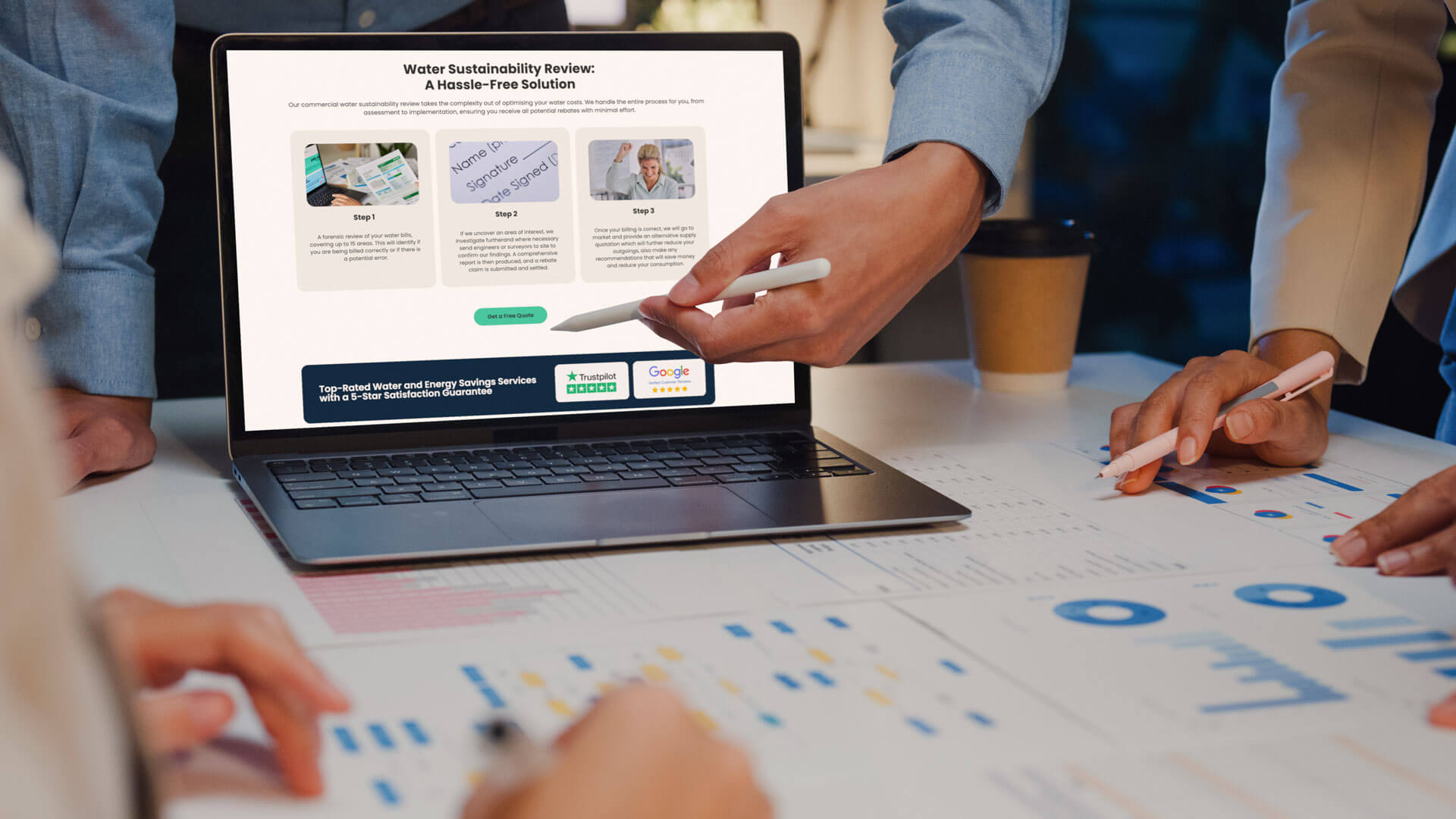
A Commercial Water Sustainability Review provides a structured assessment of how water is used and billed across an organisation. This process examines key components—including tariffs, meter details, wastewater assumptions and consumption patterns—to reveal where improvements or corrections are required. Establishing a verified baseline enables businesses to approach supplier decisions, budget planning and operational adjustments with confidence, accuracy and strategic clarity.
Why Water Management Is Becoming a Priority for UK Organisations
Water charges are influenced by far more than simple usage. Tariff structures, standing charges, discharge allowances and supplier practices all contribute to total costs. When these elements are not regularly reviewed, businesses risk paying more than necessary or relying on outdated information. A structured water review gives organisations a clearer understanding of these factors and highlights actionable opportunities for improvement.
Addressing issues and establishing accurate data also supports broader financial and operational goals. Verified information strengthens reporting, improves governance and ensures teams work from a consistent, credible foundation. This clarity elevates water management from an overlooked cost to a strategic part of business planning, enabling organisations to manage risks, reduce inefficiencies and make informed decisions with greater certainty.
The Case for Reviewing Water Costs
In today's commercial environment, reviewing water costs is essential to responsible financial management. Tariff structures, billing practices and wastewater assumptions can all change over time, often without organisations realising their charges no longer reflect actual usage. By taking a closer look at water expenditure, businesses can identify where costs have increased unnecessarily and re-establish transparency across their billing.
Many businesses discover during a review that their existing charges contain long-standing inaccuracies. These issues—such as misapplied tariffs or incorrect meter configurations—can continue for years without detection, gradually inflating costs. Identifying and correcting these discrepancies provides immediate savings and prevents inaccurate charges from carrying forward, strengthening financial resilience across future billing cycles.
Multi-site organisations face additional challenges due to inconsistent tariff application, varying billing setups and localised supplier practices. Without consolidated oversight, it becomes difficult to compare site performance or detect anomalies. A detailed review addresses these complexities by standardising information, uncovering discrepancies and providing a unified view of water expenditure across the entire portfolio.
Rising Costs and the Impact on Budget Stability
Even small inaccuracies can accumulate significantly when repeated across months or multiple sites. Standing charge variations, incorrect wastewater assumptions and estimated reads may appear minor but can distort budgets and projections. Reviewing these elements helps organisations understand their true position and prevents gradual overspend from affecting wider financial plans.
Establishing clarity over costs enhances budgeting accuracy and confidence. With verified information, finance teams can model future expenditure more reliably, evaluate potential operational changes and safeguard budgets from unexpected fluctuations. This proactive approach enables businesses to respond to challenges more effectively and maintain firmer control over their utility spending.
Why Billing Accuracy Matters More Than Ever
Accurate billing forms the foundation of effective water cost management. When invoices contain errors—whether large or subtle—they distort budgets, forecasts and internal reporting. Because water charges are composed of multiple elements, errors can easily go unnoticed without specialist analysis. Ensuring billing accuracy protects financial stability and ensures businesses pay only for what they genuinely consume.
The commercial water market involves a wide range of tariff configurations and charging methods. Water retailers may operate different systems for calculating standing charges, wastewater allowances or volumetric rates. If meter data is incorrect or supplier information is outdated, charges can be miscalculated for long periods. A structured review helps organisations verify these details and ensure invoices align with operational reality.
Billing inaccuracies are especially common in multi-site estates, where different locations may have been set up under older tariff frameworks or inconsistent charging structures. These variations can make it difficult to reconcile the overall expenditure. Validating billing accuracy across all accounts provides a more stable foundation for cost management and enables organisations to plan with greater consistency.
Common Billing Issues Found During Reviews
Common issues uncovered during commercial water reviews include incorrect tariff classifications, duplicated standing charges and misaligned meter data. Estimated reads, outdated discharge assumptions and misconfigured account profiles also contribute to inaccurate billing. These errors often remain hidden within routine invoicing and only become visible through detailed analysis.
Correcting these issues not only provides immediate financial benefits but also ensures more accurate future billing. Having a reliable baseline prevents historical discrepancies from influencing new agreements or distorting supplier comparisons. This accuracy helps businesses make decisions with confidence and eliminates ambiguity in ongoing utility management.
The Commercial Value of a Water Sustainability Review
A Commercial Water Sustainability Review offers businesses detailed insight into how water is used and billed across their operations. Rather than relying on surface-level checks, organisations receive a full assessment of tariff structures, consumption trends and wastewater calculations. This comprehensive view enables informed decision-making and reveals financial opportunities that may have been hidden within existing arrangements.
Many businesses find that a review uncovers historical billing errors or inefficiencies that have inflated costs for years. Overcharges due to incorrect tariffs, inaccurate standing charges or misapplied wastewater assumptions can result in significant overspend. Identifying and resolving these issues creates immediate savings and prevents further accumulation over time.
The review process also highlights opportunities to improve operational efficiency. Irregular consumption patterns, excessive night-time flows or potential leaks often become visible only through specialist analysis. Understanding these trends provides organisations with actionable insight, enabling targeted improvements that support stronger resource management and long-term cost reduction.
How a Review Identifies Errors and Highlights Inefficiencies
A structured review examines each component of the billing structure and compares supplier assumptions with site-specific data. This reveals where tariffs do not match consumption patterns, where charges are inconsistent or where incorrect information has been carried forward across billing cycles. Such insights ensure charges reflect real usage and produce a clearer understanding of the organisation's true cost base.
Operational inefficiencies also become easier to detect through this process. Unusual consumption trends may indicate faulty equipment, uncontrolled processes, or suboptimal water-use practices. Addressing these issues can reduce consumption, enhance operational performance and strengthen long-term resource management. Combining billing corrections with operational improvements creates both immediate and sustained commercial value.
When Switching Water Supplier Makes Commercial Sense
Switching water suppliers becomes a strategic decision once a business has established an accurate understanding of its current position. Without verified data, comparisons between suppliers risk being based on incorrect assumptions, potentially leading to unsuitable contracts. With validated information, organisations can identify whether switching would offer financial or operational advantages and choose arrangements that support long-term stability.
Supplier switching can be particularly valuable when existing agreements no longer reflect actual usage patterns. Organisations may find that their supplier's tariff structures, billing models or account management practices do not align with their operational requirements. Exploring alternative suppliers allows businesses to identify options that provide better value, clearer billing or more suitable contractual flexibility.
Timing also plays a role in the success of supplier switching. Reviewing options when businesses have accurate data and adequate preparation time ensures decisions are not rushed or based on incomplete information. This methodical approach helps secure contracts that support consistent cost control and improved commercial performance.
Advantages of Moving to a More Suitable Supplier
A more suitable supplier may offer tariff structures that better reflect a business's usage profile, reducing both fixed and variable charges. Clearer billing, stronger reporting tools and more responsive account support can also enhance the day-to-day management of water accounts, reducing internal administrative burden and improving overall oversight.
Selecting a supplier that provides contract flexibility can further strengthen financial control. Businesses may benefit from arrangements that accommodate seasonal fluctuations, growth plans or changes in operational processes. A well-aligned supplier relationship ensures water remains a manageable, predictable element of organisational cost planning.
How Supplier Switching Supports Long-Term Cost Control
Switching water suppliers is not only about securing immediate savings; it also helps create a more stable and predictable cost environment. When organisations align with suppliers whose tariffs and practices align with their operational profile, they reduce exposure to unexpected increases and ensure charges remain fair and transparent over time.
For multi-site businesses, switching suppliers can bring additional benefits. Consolidated billing, aligned tariff structures and centralised reporting make it easier to monitor expenditure, compare performance and identify inefficiencies. This streamlined approach supports better financial control and reduces administrative complexity across multiple locations.
Contract flexibility is another key advantage. Suppliers offering adjustable terms enable businesses to adapt as operations evolve, ensuring tariffs remain suitable even as consumption patterns change. This adaptability helps maintain long-term stability and prevents unnecessary cost pressures arising from rigid or outdated contractual arrangements.
Ensuring Stability During Regulatory and Market Changes
A range of external factors, including supplier performance, market dynamics and regulatory changes, influences water charges. Partnering with a transparent supplier helps organisations navigate these influences confidently, with clearer billing and better communication. This stability improves forecasting and reduces the risk of unexpected financial impacts.
Combining accurate baseline data with an appropriate supplier relationship strengthens an organisation's ability to withstand market fluctuations. Clear reporting, predictable charges and proactive account management ensure water remains a controlled and well-understood component of operational expenditure.
The Added Benefits Modern Water Suppliers Can Offer Businesses
Many modern water retailers now offer capabilities beyond traditional billing functions. These may include advanced digital platforms, usage dashboards and detailed consumption reports that improve visibility and make it easier for businesses to monitor water performance across their operations. Improved reporting supports clearer decision-making and reduces the administrative effort required to track usage.
Flexibility is another advantage offered by newer suppliers. Rather than imposing one-size-fits-all tariffs, modern retailers often provide adjustable contracts tailored to seasonal patterns, multi-site operations or shifting commercial requirements. This adaptability helps ensure water arrangements remain aligned with an organisation's operational needs and financial priorities.
Enhanced communication and account support can also make supplier switching worthwhile. Clear billing, responsive assistance and transparent documentation reduce the internal workload associated with managing water accounts. When combined with accurate baseline data, these supplier capabilities help create a more reliable and user-friendly approach to water management.
Why Supplier Capabilities Matter Once Your Baseline Is Accurate
Supplier benefits are most valuable when applied to accurate, verified data. Digital tools, tailored tariffs and advanced reporting are only effective when underpinned by true consumption figures and corrected billing structures. Conducting a review before switching ensures organisations can make full use of these capabilities and avoid basing decisions on inaccurate information.
Once the baseline is correct, choosing a supplier with strong digital infrastructure and flexible terms provides ongoing benefits. These features support transparent reporting, consistent billing and improved cost control. Together, they empower organisations to manage water more strategically and create a stable financial framework for future planning.
The Benefits of Accurate Consumption Data
Accurate consumption data provides a strong foundation for all aspects of water management. When businesses rely on estimated or inconsistent readings, they lack the visibility needed to identify inefficiencies, understand cost drivers or evaluate the impact of operational changes. Verifying consumption through a structured review ensures decisions are based on reliable, evidence-led information.
Unvalidated data can make it difficult to detect irregularities or identify where improvements would deliver the greatest impact. High overnight usage, continuous flows or unexpected peaks may indicate leaks, faulty equipment or inefficient processes. Accurate consumption data reveals these trends, enabling targeted interventions that reduce waste and strengthen long-term control over water usage.
Validated data also improves procurement decisions. Tariff comparisons, contract assessments and supplier negotiations all rely on accurate information to avoid unsuitable arrangements. With verified consumption patterns, businesses can evaluate supplier proposals more effectively and select contracts that provide genuine value rather than superficial savings.
How Reliable Data Improves Operational and Financial Decisions
Reliable data allows operational teams to address issues quickly and prevent waste from escalating. Patterns of unusual usage can be investigated and resolved before they cause a significant financial impact. This proactive approach supports more efficient operations and helps preserve equipment performance by identifying problems early.
From a financial standpoint, accurate data enhances budgeting, forecasting and reporting. Finance teams can model future scenarios more confidently, allocate resources appropriately and track how changes influence expenditure. This reliability helps make water a managed, predictable cost rather than an unpredictable source of variance.
The Role of Wastewater and Trade Effluent Accuracy
Wastewater and trade effluent charges can represent a significant portion of commercial water costs, especially for organisations with production, processing or specialist cleaning activities. These charges are often based on assumptions rather than direct measurement, making it essential to verify that supplier calculations reflect actual operational conditions. A structured review ensures wastewater charges are fair, accurate and aligned with real discharge volumes.
Incorrect wastewater assumptions can inflate costs for years without being detected. Overestimated return-to-sewer volumes, outdated discharge profiles or incorrect strength parameters can all distort charges. Validating these elements helps organisations challenge inaccurate bills, reduce unnecessary expenditure and ensure charges reflect genuine site activity.
Accurate wastewater information also supports stronger operational planning. When businesses understand how different processes contribute to discharge volumes, they can manage production schedules, cleaning cycles, or process changes more strategically. This insight helps prevent unexpected costs and strengthens long-term resource management.
How Reviewing Wastewater Helps Reduce Avoidable Costs
A detailed wastewater review assesses how suppliers calculate discharge volumes and associated charges. By comparing supplier assumptions with actual data, businesses can identify discrepancies and request corrected billing. These adjustments often result in immediate savings and prevent future overpayments.
Reliable wastewater data also supports strategic decision-making. Organisations can model how operational changes may affect future charges, helping them plan maintenance, investments, and process design more effectively. This foresight ensures wastewater costs remain fair, transparent and aligned with long-term objectives.
Identifying Hidden Inefficiencies Across Your Operations
Hidden inefficiencies can quietly increase water costs over time. Continuous flows, unnoticed leaks or inefficient processes often go undetected without detailed analysis. Identifying these issues early helps businesses reduce waste, strengthen operational control and prevent unnecessary expenditure from accumulating.
Large or multi-site organisations are especially prone to inefficiencies due to complex systems and varied practices. Without consistent monitoring, unusual consumption patterns can be difficult to identify. A structured review reveals these trends and provides the insight needed to implement targeted changes across departments or locations.
Improving operational efficiency reduces costs and enhances reliability. Addressing inefficiencies helps prolong equipment life, prevent downtime and streamline resource use. These improvements create a more resilient operational environment, ensuring water supports rather than hinders organisational performance.
Strengthening Operational Awareness and Preventing Future Waste
A detailed assessment increases visibility over water use across the organisation. This awareness enables quicker responses to irregularities, reduces the risk of unnoticed waste and encourages more informed operational decisions. Teams become more proactive and less reliant on reactive responses to unexpected costs.
Operational awareness also supports preventative practices. When teams understand where inefficiencies originate, they can implement monitoring routines, behavioural improvements and maintenance schedules that prevent issues from recurring. This creates sustained value and ensures water remains a consistent, manageable part of operational strategy.
Strengthening Reporting, Forecasting and Financial Planning
Accurate reporting and forecasting rely on reliable, consistent data. When water charges or usage figures are incorrect, internal documents and projections can become misleading. A comprehensive review provides the validated information required for robust planning, helping finance teams produce credible budgets, track performance, and align water expenditure with wider business objectives.
Clear and reliable data support stronger decision-making across the organisation. Finance teams can identify trends, assess the impact of operational changes and forecast expenditure with greater confidence. This precision helps businesses allocate resources more effectively and maintain financial discipline in an environment where cost control is increasingly important.
Verified data also improves transparency for stakeholders, boards and auditors. Presenting accurate information demonstrates strong governance and reinforces the organisation's responsible water management. This builds confidence in the business's approach to utilities and strengthens its overall financial credibility.
How Validated Water Data Supports Long-Term Financial Stability
Validated water data provides a reliable foundation for long-term financial stability. By ensuring charges reflect real usage rather than incorrect assumptions, businesses reduce unexpected cost increases and maintain consistent control over their expenditure. This clarity enables more reliable planning and helps avoid budget shortfalls.
This solid foundation also enhances procurement decisions. Organisations can assess the long-term implications of different contract structures with greater confidence, avoiding agreements that may lead to future cost pressures. This proactive approach ensures water arrangements support broader commercial goals and remain sustainable over time.
Improving Procurement Decisions Through Verified Data
Procurement teams require accurate information to make effective decisions, yet water contracts are often evaluated using unverified or incomplete data. This can lead to misaligned tariff choices or unsustainable contract terms. Verified billing and consumption data eliminates this uncertainty and provides a more reliable basis for procurement discussions.
With accurate information, procurement teams can compare supplier proposals more meaningfully. They can assess whether tariffs align with actual usage patterns, understand the long-term cost implications of each offer and identify which arrangements provide true commercial value. This prevents businesses from entering into contracts that appear competitive but ultimately create inefficiencies.
Reliable data also supports more strategic negotiations. Procurement teams can request tailored tariffs, challenge unfavourable terms and ensure suppliers provide agreements that reflect operational realities. This reduces risk, strengthens commercial confidence and ensures water remains an asset to be managed strategically rather than a cost to be accepted passively.
How Verified Data Enhances Supplier Negotiations
Entering negotiations with verified data gives businesses greater leverage. Procurement teams can present suppliers with clear evidence of usage, question inconsistencies and request bespoke arrangements designed around their actual requirements. This helps secure fair, transparent, and commercially aligned deals.
Having a reliable baseline also allows businesses to evaluate the long-term sustainability of proposed agreements. Organisations can model how different tariffs would behave over time, avoiding contracts that may lead to unforeseen cost increases. This ensures that the outcome of negotiations remains aligned with the organisation's financial goals and operational priorities.
Preparing for Future Commercial Stability
Taking action to review water arrangements is an important step towards long-term commercial stability. Addressing billing inaccuracies, validating usage data and assessing supplier options now helps businesses avoid avoidable costs and build a more resilient cost base. This preparation ensures that future challenges can be managed with clarity rather than uncertainty.
A proactive approach to water management also supports more effective internal planning. When organisations understand their true cost base and operational patterns, they can refine budgets, adjust strategies and align operational decisions with financial objectives. This leads to a stronger, more integrated approach to managing utilities across the entire organisation.
The Benefits of Acting Before Issues Escalate
Addressing water-related issues early prevents them from growing into larger financial or operational problems. Correcting errors, resolving inefficiencies and updating supplier arrangements before they escalate helps protect budgets and ensures unexpected costs do not undermine wider plans. Early action also creates space for considered decision-making rather than rushed responses.
By taking a structured, proactive approach, organisations demonstrate that they are managing water in a controlled, strategic way. This enhances financial resilience, supports operational efficiency and ensures water remains a resource that contributes to, rather than detracts from, long-term commercial success.
How Focus Green Supports the Entire Process
Focus Green provides a fully managed service that helps organisations gain clarity and control over their commercial water costs. By examining up to fifteen separate billing and consumption elements, the team identifies inaccuracies and inefficiencies that internal processes may struggle to uncover. This comprehensive analysis ensures businesses receive a complete, accurate understanding of their water arrangements.
Unlike basic comparison tools, Focus Green combines forensic analysis with practical resolution. Once issues are identified, the team engages directly with suppliers to secure corrections, recover overpayments where applicable and establish accurate billing structures. This hands-on support allows organisations to benefit from expert knowledge without diverting internal resources from core activities.
After establishing a valid baseline, Focus Green evaluates alternative suppliers using verified data. The team presents clear, evidence-based comparisons that show how each potential arrangement would perform. This enables organisations to decide whether switching suppliers is commercially beneficial and, if so, to proceed with confidence that any changes are grounded in robust analysis.
A Fully Managed, Low-Disruption Approach for UK Businesses
Focus Green's approach is designed to minimise disruption. Typically, clients need only provide recent billing information and a letter of authority, after which the team manages data gathering, analysis and supplier engagement. Regular updates and concise reporting keep stakeholders informed without overwhelming internal teams.
This low-disruption, high-value model allows finance, procurement and operational teams to stay focused on their priorities while still benefiting from detailed insight and expert support. Clear reporting and actionable recommendations ensure organisations can implement changes quickly, whether that involves securing refunds, correcting tariffs or moving to a more suitable supplier.
Preparing Your Business for a More Efficient Future
Commercial water may not be the most visible cost on the balance sheet, but it is an area where hidden inefficiencies and inaccuracies commonly occur. By reviewing water arrangements, businesses can uncover overpayments, correct errors, and identify operational improvements that deliver meaningful savings and greater transparency.
Establishing accurate billing, reliable consumption data and appropriate supplier arrangements transforms water from an overlooked expense into a managed, optimised resource. This clarity helps organisations plan with confidence, negotiate effectively and align water management with broader financial and operational priorities.
With expert support from Focus Green, UK businesses can navigate the complexities of commercial water management, implement improvements with minimal disruption and secure long-term value from an area that is too often left unexamined. Taking the first step with a Commercial Water Sustainability Review ensures organisations are prepared for whatever the future brings, with water costs firmly under control.